

THE PROJECT
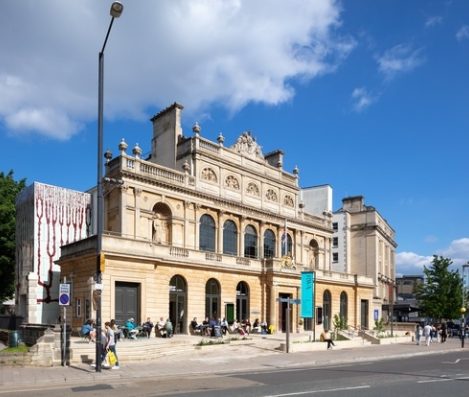
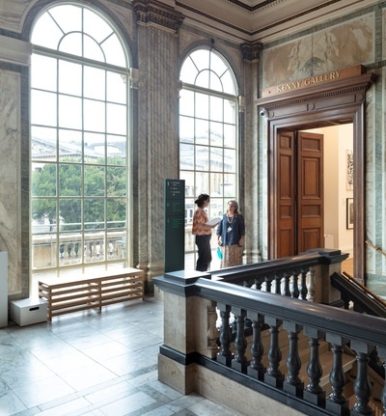
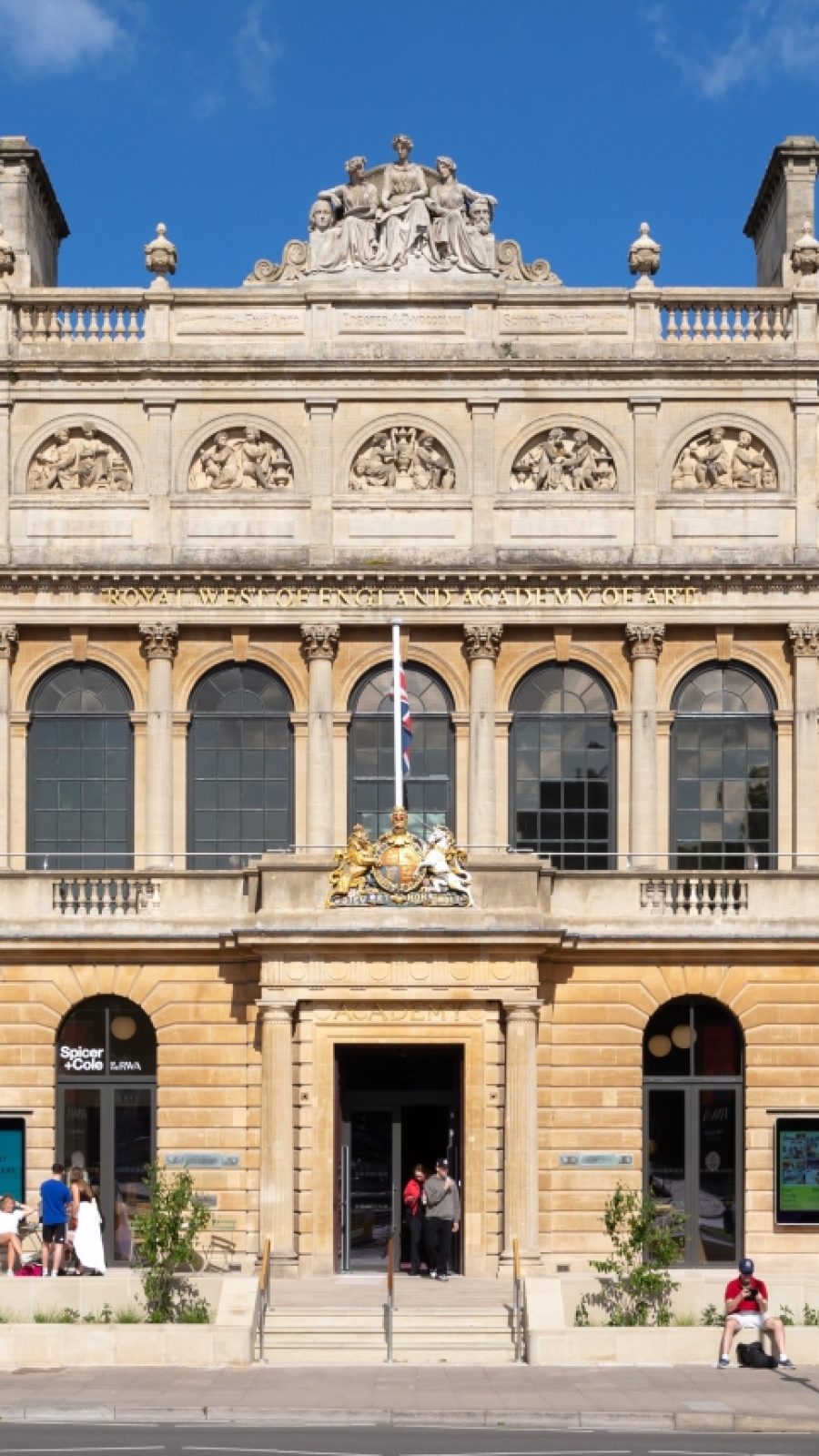
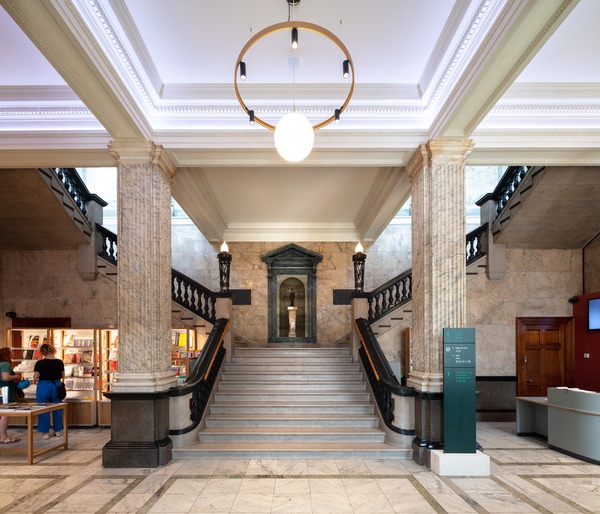
The transformation of the heritage project was to revive and preserve it for the future. This has been the most significant refurbishment of the building in over a century.
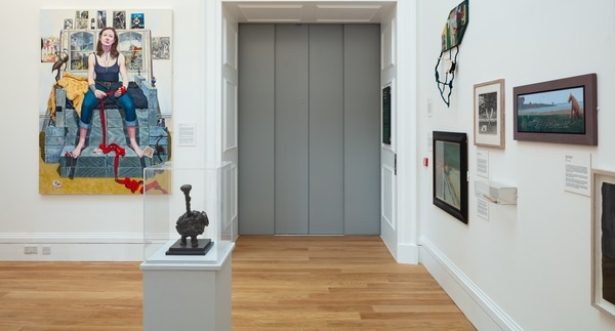
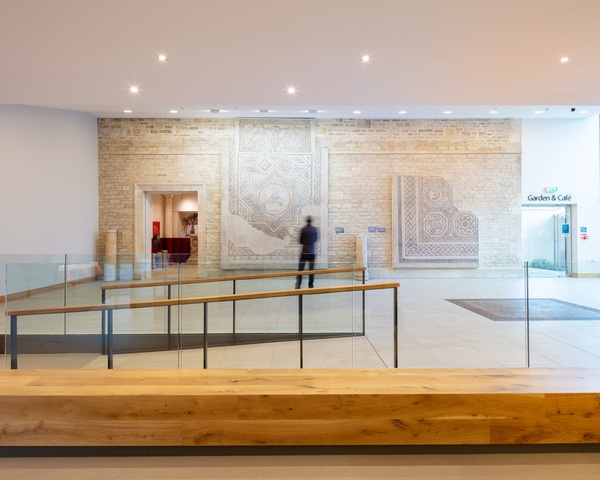
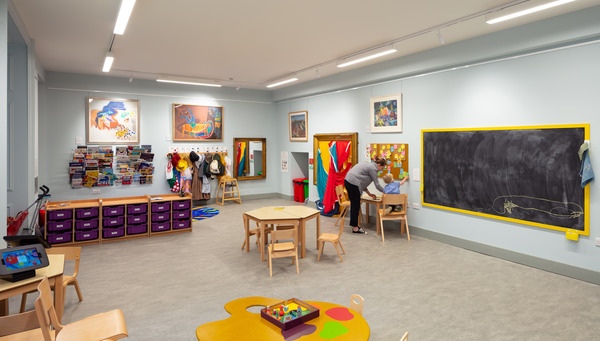
The refurbished RWA now has a more inclusive space range from a new lift that can carry four wheelchair users and their careers, a quiet room for visitors with sensory requirements or autism and a family activity space.
There is a dedicated changing places facility so that people with profound and severe disabilities can "enjoy art on equal terms". As well as making the space more inclusive, the extensive restoration project has addressed urgent structural repairs.
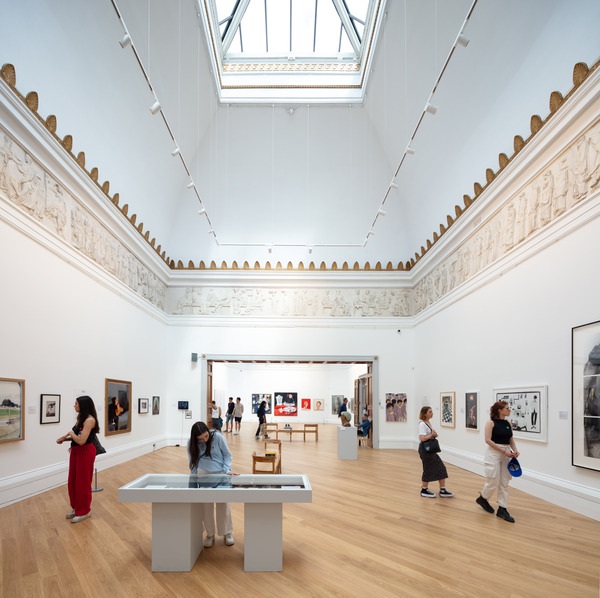
One of the main tasks was to create new roof lanterns above the main gallery, as well as lowering the windows on the façade to create new doorways, adding air source heat pumps and installing new underfloor heating.
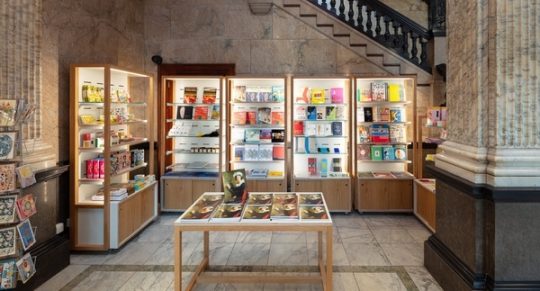
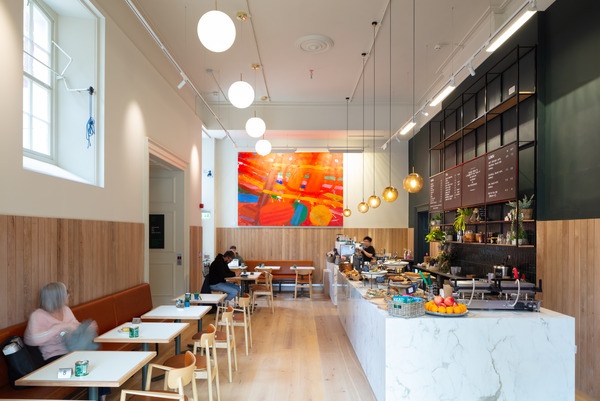
Visitors can now look forward to using the renovated café with 50 covers and outdoor seating spilling out onto a newly landscaped plaza.
Renovations have been funded by private donations and grants from the National Lottery Heritage Fund and Arts Council England, among others.
Nicola Prosser
Director of Operations, The Royal West of England Academy
£3.1M
CONTRACT VALUE
49 WEEKS
CONTRACT DURATION
Customer
The Royal West
of England Academy
Architect
Child & Sulzmann Partnership
Quantity Surveyor
Rider Levett Bucknall
Form of Contract
JCT Standard
CHALLENGES
- Rock was found at the side of the building which meant we had to stop the original designed temporary works of the sheet piles being installed
- Logistically challenging site, with the forecourt being installed the same time as the other works being undertaken
- The local college was fully operational on the floor below the gallery, rooflights were removed which meant we had to ensure that there was full weathering in place at all times, without water ingress into the rooms below
SOLUTIONS
When rock was encountered on the project, we engaged with Craddy's to undertake a bespoke temporary works design which involved bracing steel from the existing building back up to the retaining wall of the church next door.
Logistical challenges were overcome by having a number of cranes lifting plant and equipment to undertake the install of the lift shaft, all deliveries were booked in 48 hours in advance to allow for the cranes or pallet trucks to be in place.
Only a section of the roof light was removed at one time. The scaffold which was installed was bunded with plastic to capture water ingress. The weathering was removed in the morning and installed in the evening if the glazing hadn't been installed in the mean time. Both roof lights were removed and replaced with only minimal water ingress.