

THE PROJECT
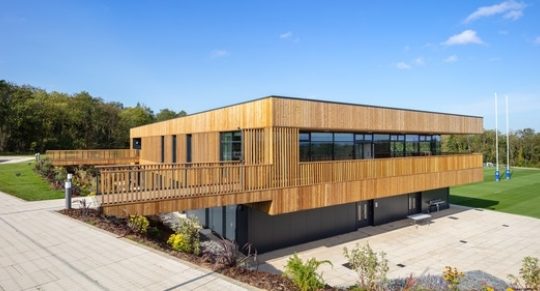
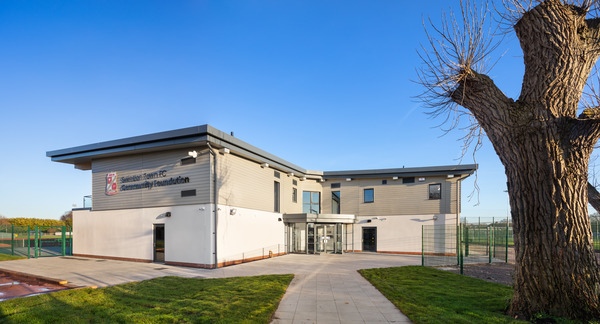
Professional rugby club Bristol Bears have invested in a new state-of-the-art training facility on land at Kingcott Farm, between Failand and Abbots Leigh on the edge of Bristol.
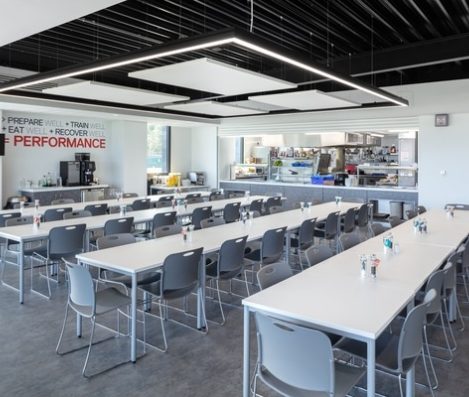
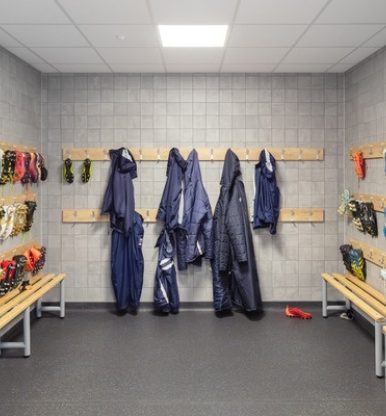
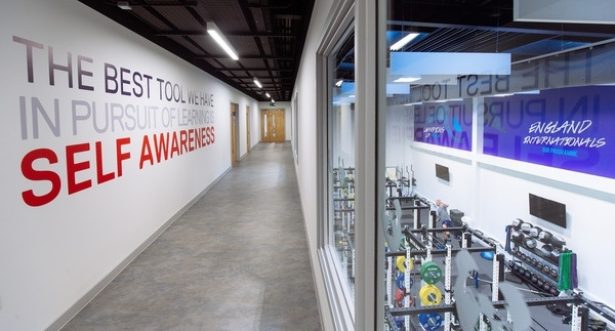
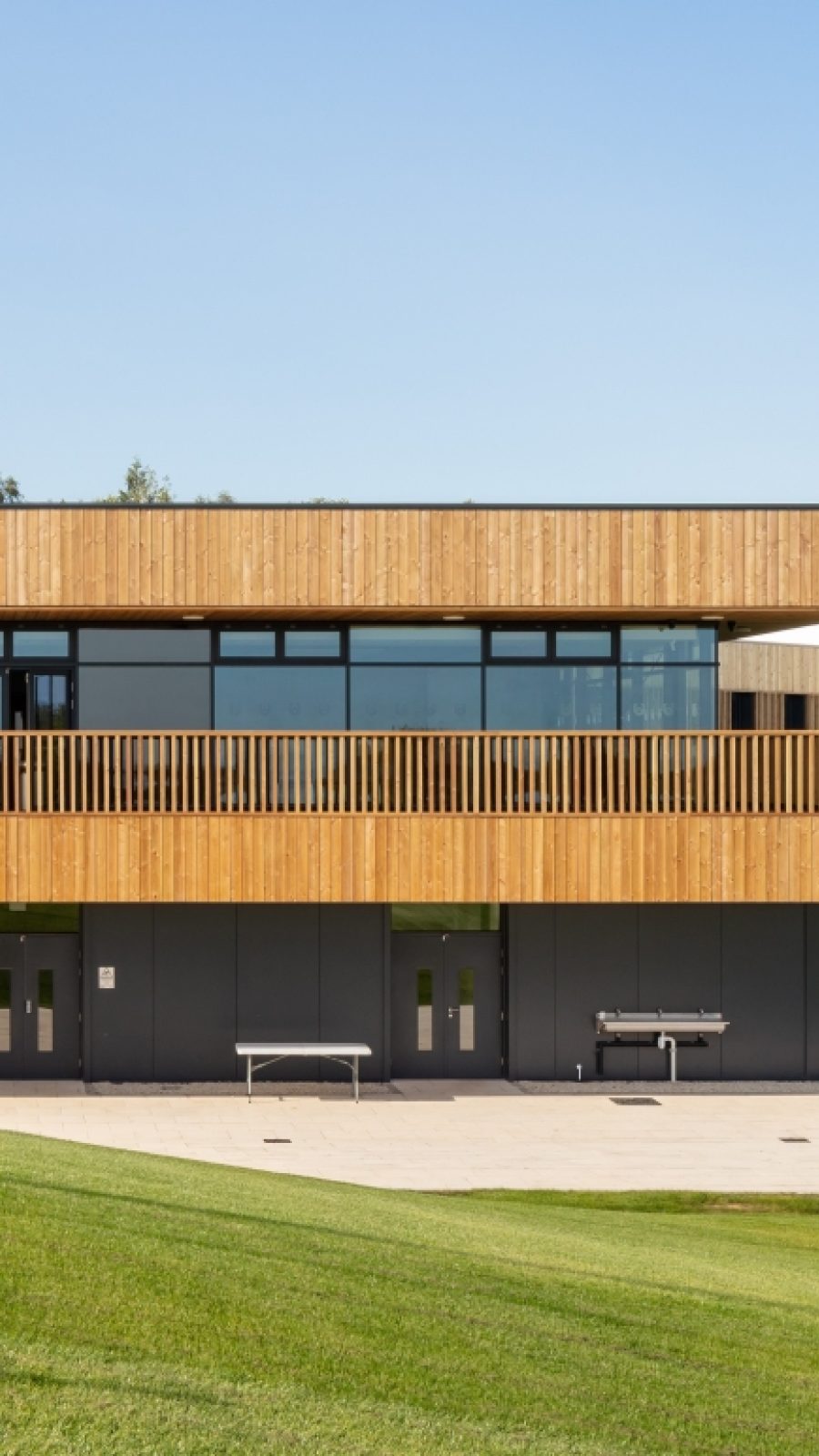
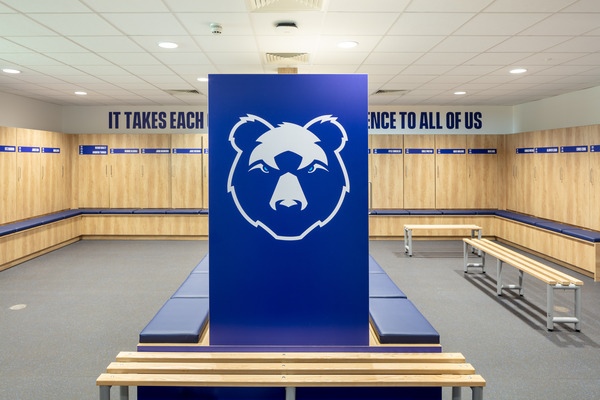
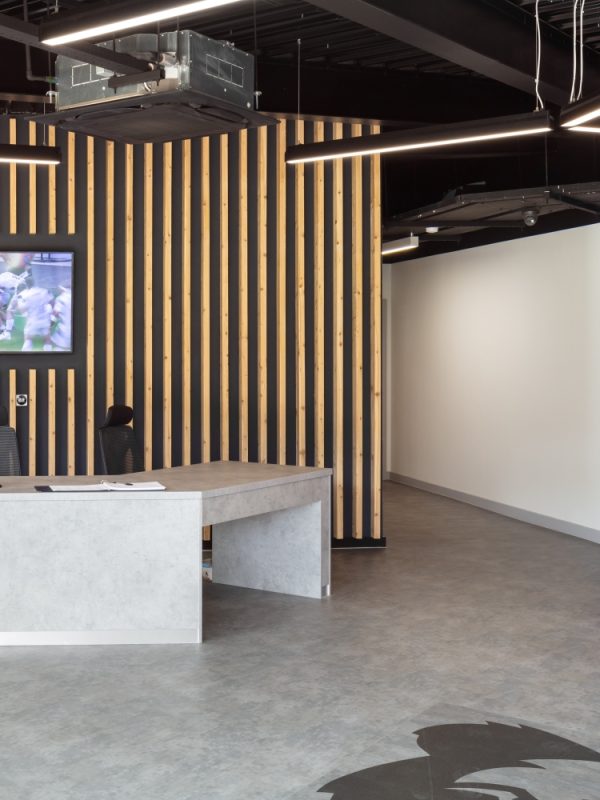
The new facility includes a two-storey steel-framed training pavilion containing a gym, changing rooms, two hybrid grass pitches (one of which is floodlit) S&C and medical facilities and office accommodation for the club's staff.
The ambitious world-class facility enables Bristol Bears to recruit the game's top talent, attracted by the dedicated facilities, whilst also accommodating on site all it's teams.
MARK TAINTON
CEO, Bristol Bears
£6M
CONTRACT VALUE
48 WEEKS
CONTRACT DURATION
Customer
Bristol Sport
Architect
KKA Architects
Quantity Surveyor
Capita
Form of Contract
JCT Design & Build
CHALLENGES
- A multi contractor site with Beard undertaking the principle contractor role for the Client appointed pitch and sports barn contractor
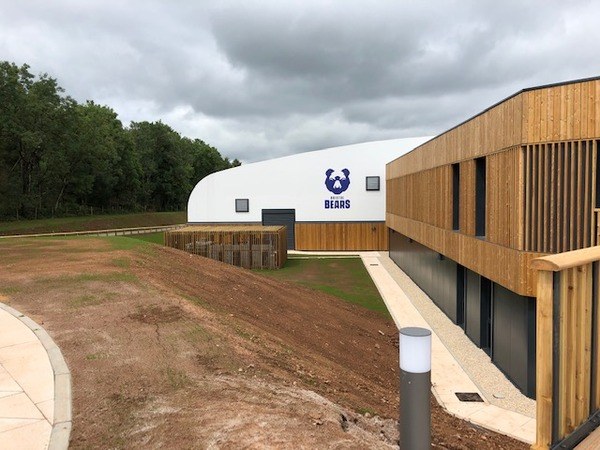
- The training barn was built on a slope with the entrance to the building being on one level. This meant that the site logistics and access was difficult
SOLUTIONS
Beard worked collaboratively with both specialist contractors and brought them on to site as our own. This collaborative approach allowed a great working relationship to be formed at site level which allowed the project to be built smoothly and to a high quality.
A Site Waste Management Plan was produced to determine the most efficient material recovery method using the existing spoil and excavated rock to process sufficient structural fill to use beneath the building. This resulted in a huge reduction in lorry movements to the local area.